

Introduction
This article is built from real student feedback and interview notes—edited for clarity and privacy—from divers who joined our combined technical diving training package: TDI Advanced Nitrox, TDI Decompression Procedures, and TDI Advanced Wreck. Interview answers are edited for clarity; names and details appear only with each diver’s consent.
If you are an experienced recreational diver wondering whether technical diving training in Thailand is worth the time and structure, this is the kind of grounded detail marketing brochures rarely include: what felt hard, what felt obvious in hindsight, and what actually changed underwater.
For context on enriched gas before you read further, see our overview of nitrox and realistic benefits on recreational dives. For wrecks around the island, start with wreck diving on Koh Chang and our dive sites list. The formal program stack is outlined on the technical diving package page and the broader TDI technical diving courses hub. If you want the big-picture take on tech training here first, read Tech Diving Koh Chang (expectations, HTMS Chang, pathways)—then come back to these interviews.
Why divers move from recreational to technical diving
Most candidates are not chasing records. They hit a ceiling where recreational conservatism—while correct for the certification level—stopped matching the dives they wanted to do safely: slightly longer wreck segments, clearer gas strategy, staged decompression taught as procedure rather than panic avoidance.
The combination of Advanced Nitrox, Decompression Procedures, and Advanced Wreck is deliberate: gas and ceiling literacy first, then staged ascent practice, then applying both inside overhead-style environments with line discipline. It is a progression honest instructors prefer over skipping steps.
Technical diving training on Koh Chang still happens in real tropical conditions—current, visibility swings, boat logistics—so habits form where “clean theory” alone would not stick. If you want atmosphere before commitment, fun dives with a team that speaks tech fluently can be a low-pressure preview.
The certifications behind these interviews
Yannic, Nino, and Dominic all completed the same stack on Koh Chang. Want to earn these certifications too? Each tile opens the matching course page—requirements, schedule, and how we teach it.
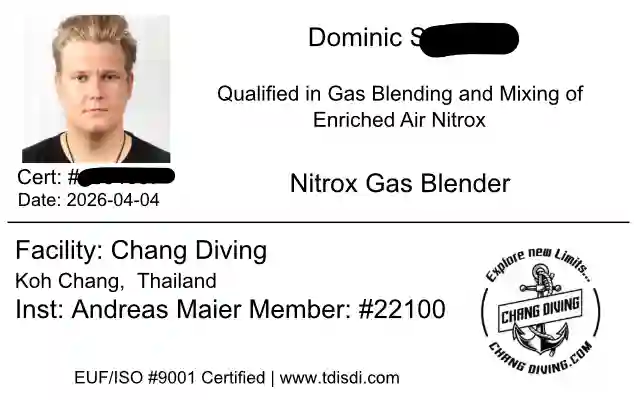
⚗️ Nitrox Gas Blender
Want this certification? Hands-on blending for correct nitrox fills before and between tech training dives.
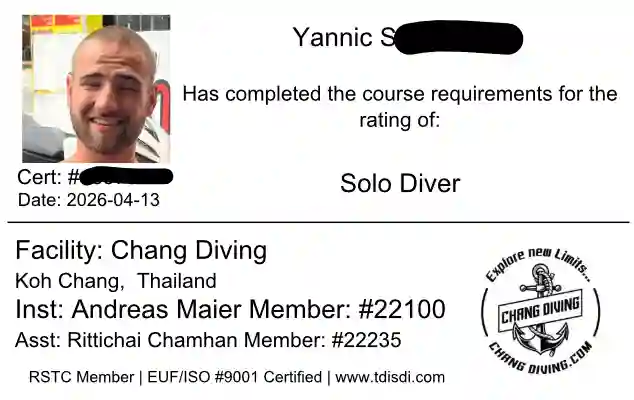
🤿 Solo Diver
Want this certification? Redundant gas, planning, and mindset for diving without a buddy when conditions allow.
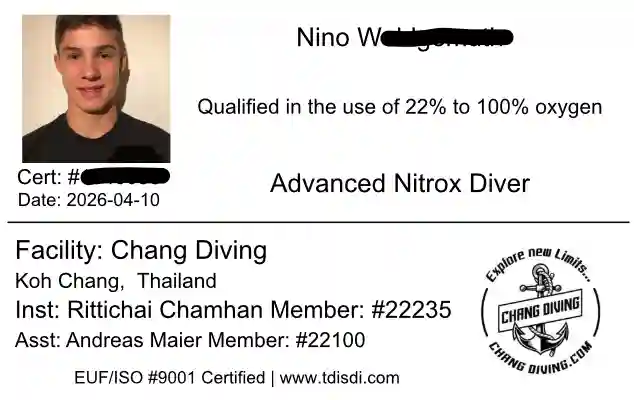
⚙️ Advanced Nitrox
Want this certification? Enriched gas, run times, and oxygen exposure in a technical planning framework.
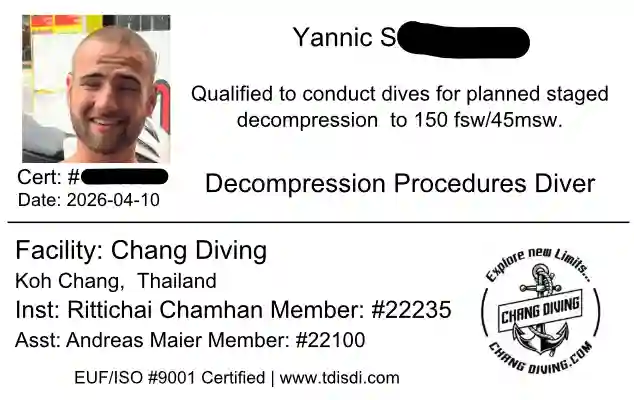
📉 Decompression Procedures
Want this certification? Stops, ceilings, and staged ascent practice you can repeat under real viz.
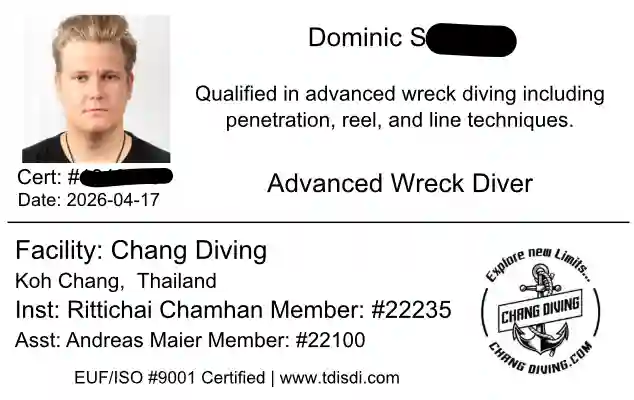
⚓ Advanced Wreck
Want this certification? Line discipline, team roles, and conservative limits inside wreck environments.
Student story 1
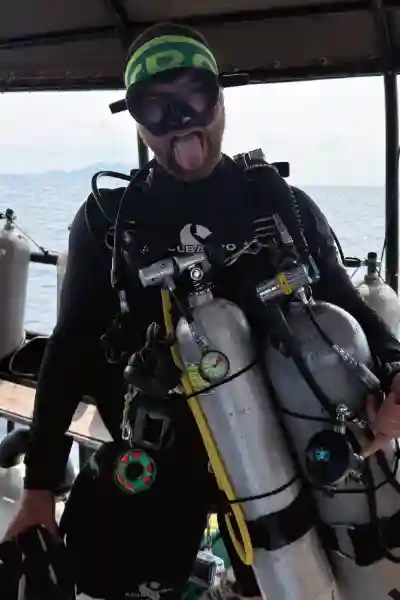
Yannic S.
PADI Divemaster since 2023, with Deep, Wreck, Nitrox, and Sidemount specialties; about 160 logged dives. He first tried diving on a Discover Scuba experience in 2019 while on holiday; his formal training began in 2023 when his best friend asked him to do Divemaster—effectively a steep path from zero to professional-level skills. Since then mostly warm-water diving, with some lower-visibility experience, a few wreck dives, and a drive to keep building from there.
Interview
- How did you get into diving and what made you decide to move into technical diving?
- In 2019 I did a Discover Scuba dive on holiday with my girlfriend. It was one of the best experiences of my life, but I did not continue training straight away. Four years later my best friend asked if I would do the Divemaster course with him—I said yes without hesitation, so I went from zero to Divemaster in one focused push. I moved into technical diving for two reasons: I love learning and improving, and I want to access dive sites that simply require technical training.
- Was there a specific moment or dive where you felt you wanted more than recreational diving?
- I have travelled a lot and dived in many places, but over time I missed the structured challenge I had during Divemaster training. I also started running into sites I could not dive yet because I did not have the right training. At that point it was clear I wanted and needed to expand my skills.
- What expectations did you have before starting the course?
- I expected to sharpen my skills and learn what actually moves me toward my goals—especially being able to dive the sites I want. One specific long-term target is the Felicitas mine in Germany.
- What was the most challenging part of the training?
- The hardest part for me was not the individual skills on the list. During Divemaster I had already learned a lot from instructors who were technical divers themselves. What pushed me most was the mental load: in a wreck with effectively zero visibility, four divers in the team, and everyone depending on each other completely.
- What was the most valuable lesson or skill?
- Trusting a plan you briefed properly, and trusting the team when the environment gives you nothing visual to lean on—that interdependence is the lesson that stuck. The “paperwork” side of planning stops feeling optional once you have seen why it exists.
- How has technical training changed your diving, even on recreational dives?
- I plan dives more thoroughly now, and I do it almost without thinking—it has become a habit. Stronger rescue skills also mean I feel better prepared to help other divers if something goes wrong, which changes how relaxed I am underwater.
- Would you recommend the training?
- Yes, absolutely—if you enjoy continuous learning and want to deepen your skills in a structured way, this is a logical next step.
- What would you say to divers who are unsure about starting technical diving?
- Be honest with yourself: do you want to grow and strengthen your comfort zone with what you will learn—and are you willing to respect the limits that training still leaves in place? If both are yes, it is worth starting the conversation.
Student story 2
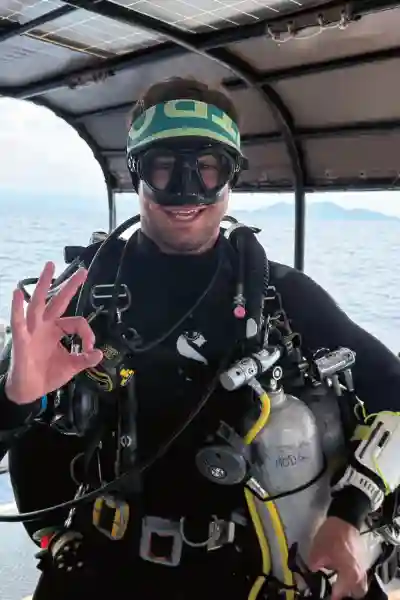
Nino W.
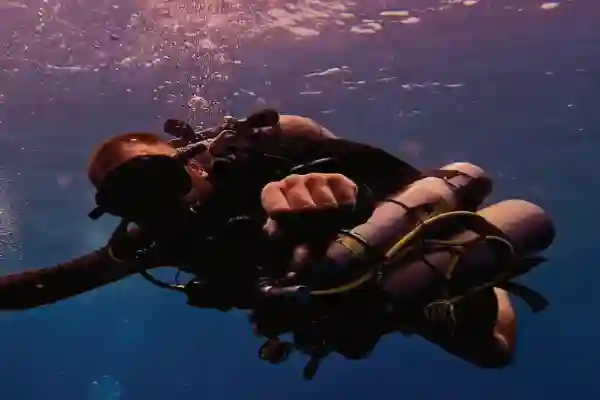
PADI Divemaster since 2023, with Deep, Wreck, Sidemount, and Nitrox specialties; about 320 logged dives. Diving since 2016—his first Discover Scuba was in Crete; Junior Open Water followed in Mauritius on a family holiday. In 2019 he completed Deep, Wreck, and Nitrox with Chang Diving; since then warm-water diving in Kenya, Egypt, Indonesia, and Thailand. He finished Divemaster training with Chang Diving in 2023.
Interview
- How did you get into diving and what made you decide to move into technical diving?
- My dad took me on my first Discover Scuba in Crete in 2015; a year later I did Junior Open Water in Mauritius on a family trip. In 2019 I added Deep, Wreck, and Nitrox with Andi at Chang Diving. Since then it has been warm-water diving in Kenya, Egypt, Indonesia, and Thailand. I did my Divemaster with Chang Diving in 2023 and loved the process. A group of us decided to take the next step together: build technical foundations so we could stay longer at certain depths and have more time in the deep blue without always running out of no-decompression time first.
- Was there a specific moment or dive where you felt you wanted more than recreational diving?
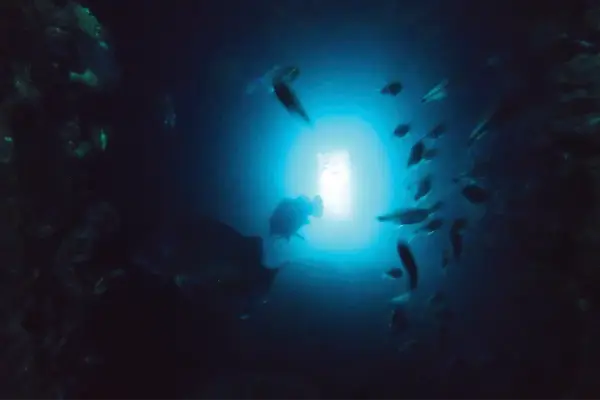
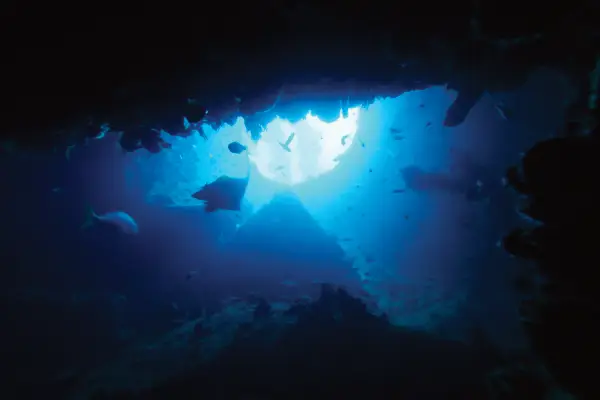
- In Nusa Penida we had a memorable encounter with eagle rays deeper than 40 m—beautiful—and I was already down to just a few minutes of no-decompression time. I wanted to stay and watch instead of chasing the clock. Limited wreck penetration on HTMS Chang also kept teasing a longer, more deliberate path into the structure—more than a quick look from the outside.
- What expectations did you have before starting the course?
- I expected professional, personal training and real drills—good dives and hard work. That is what I got: structured sessions, demanding dives, and instructors who kept standards high without turning it into theatre.
- What was the most challenging part of the training?
- The e-learning alone was serious time—on the order of twenty hours. On the water side, the sheer weight of the kit and the logistics of moving it on and off the boat were heavier than I expected. I also underestimated how long careful equipment prep and dive planning would take before we even got wet.
- What was the most valuable lesson or skill?
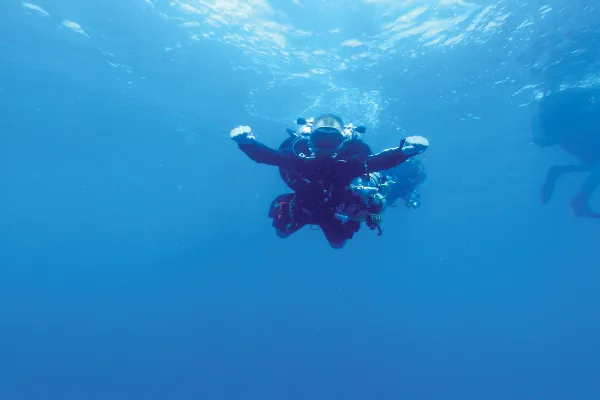
- Getting solid trim in a twinset with stage cylinders—and understanding that you have to work as a team and be fully reliable to your teammates. Technical diving is not solo heroics in fancy gear.
- How has technical training changed your diving, even on recreational dives?
- I definitely appreciate how light a single-tank recreational rig feels now.
- Would you recommend the training?
- Yes—if you are ready to commit, keep a team mindset, and accept that the work is front-loaded. It is not a casual add-on.
- What would you say to divers who are unsure about starting technical diving?
- If you are unsure, line up the course with a friend you trust—it is easier to process the load when you can talk honestly about what you are feeling between dives. And choose instructors who put safety and clear communication first; the rest gets easier from there.
Student story 3
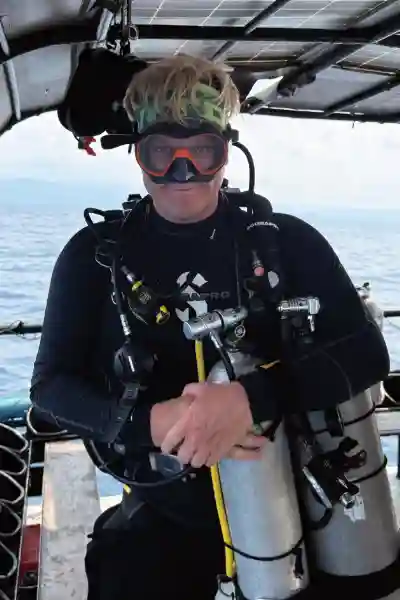
Dominic S.
PADI Divemaster since 2024, with Deep, Wreck, and Nitrox specialties; about 650 logged dives. Diving since 2021—friends pulled him into the sport; since then only warm-water diving, with some lower-visibility experience mixed in.
Interview
- How did you get into diving and what made you decide to move into technical diving?
- I’ve always loved being in and around the water since I was a kid, so doing my Open Water course was no surprise. From the beginning, I was really fascinated by wrecks and wanted to explore them, which is what led me to start technical diving.
- Was there a specific moment or dive where you felt you wanted more than recreational diving?
- The first time I dove the HTMS Chang, I was completely fascinated by it. I knew I wanted to do wreck penetration, and for that I needed the skills you gain through technical diving.
- What expectations did you have before starting the course?
- I wanted to apply and improve the diving skills I had already learned, and at the same time develop a range of new ones.
- What was the most challenging part of the training?
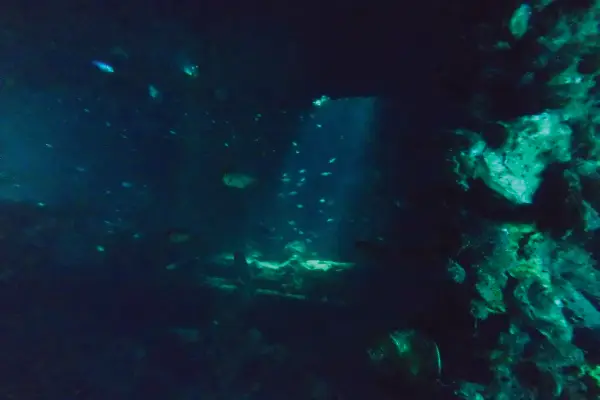
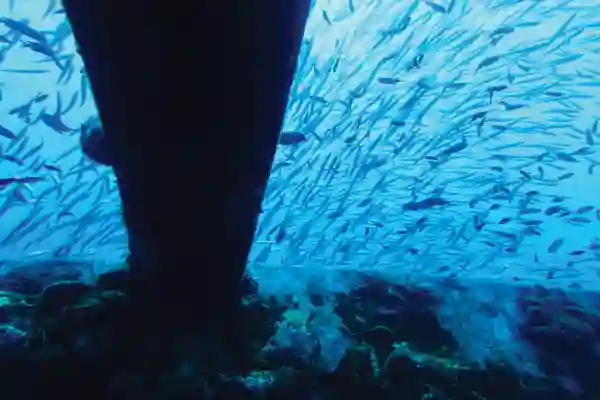
- The wreck dives were definitely the most challenging—sometimes with visibility as low as about 5 cm. It felt like flying blind, with no visual contact with my teammates, relying only on the guideline. At times, we were also in very tight or confined spaces inside the wreck, which made it even more demanding.
- What was the most valuable lesson or skill?
- For me, the most valuable aspects were precise dive planning with different gas mixes, effective teamwork underwater, and maintaining proper trim. Good trim is essential to stay stable in the water and avoid disturbing sediment inside a wreck.
- How has technical training changed your diving, even on recreational dives?
- It has really improved my positioning in the water and my understanding of how different breathing gases behave at various depths. I’ve also learned to move much more efficiently, which helps conserve energy.
- Would you recommend the training?
- I would recommend the training to anyone who wants to go deeper into the theory and practice of diving and actively improve their skills.
- What would you say to divers who are unsure about starting technical diving?
- Just go for it. The first three courses add up to around 12 dives, and you’ll learn a huge amount that also benefits your recreational diving. Even if you decide it’s not for you, you haven’t lost much—and the skills you gain will stay with you for life.
Training value / instructor perspective
Student stories vary, but the same themes show up on almost every well-run TDI technical diving course in Thailand—or anywhere: the work is less about depth numbers and more about repeatable discipline.
- Discipline: Doing the checklist the same way every time so deviations are obvious.
- Awareness: Tracking team, time, gas, and navigation as one loop—not alternating obsession.
- Buoyancy: Holding stop depth without hand flailing; stages that do not swing into silting zones.
- Team procedures: Clear roles, staged failures, communication that survives bad viz.
- Gas planning: Turn pressures and reserve logic you can explain on a whiteboard and underwater.
- Mindset: Comfort with stopping early, surfacing early, and debriefing honestly.
- Recreational carry-over: The same habits make shallower fun diving calmer—especially on guided fun dives when conditions change mid-dive.
If this matches how you like to learn—methodical, transparent, a bit repetitive—then the combined package is usually a better fit than cherry-picking a single course and improvising the rest.
Related Straight Talk
- Tech Diving Koh Chang – realistic expectations for technical training on the island, HTMS Chang as a wreck classroom, TDI course stack, and who benefits from starting here (companion to this student-interview piece).
- HTMS Chang: swim-through, limited & full wreck penetration – definitions for light zone, SDI entry minimums, and TDI Advanced Wreck context on the same wreck.
Frequently asked questions
Who can start technical diving training?
You need a solid recreational foundation: comfortable buoyancy, situational awareness, and enough logged experience that foundations are automatic—not heroic. Agencies set minimum certifications and dive counts; beyond that, readiness is often about mindset and consistency. An honest pre-training chat with an instructor matters more than rushing the timeline.
Do technical diving skills improve recreational diving?
Yes, when the training sticks. Gas planning, tighter teamwork, cleaner buoyancy, and calmer problem-solving tend to show up on every dive afterward. Technical training is not only for “tech profiles”; it is practice in making good decisions under slightly more structured conditions.
Is Advanced Nitrox only for deep divers?
No. Advanced Nitrox is about understanding enriched gas, run times, and managing oxygen exposure correctly in a technical framework—not a badge that only matters past a certain depth. It pairs directly with decompression planning so dives that require staged gas and stops are managed predictably.
Do I need wreck experience before Advanced Wreck training?
Foundational wreck familiarity helps, but the course exists to build the right habits: line work, communication, gas and time awareness, and conservative limits inside a wreck environment. Your instructor will assess baseline skills and may recommend prep dives or refreshers if penetration fundamentals are not yet solid.
How many dives should I have before starting technical training?
Agency minimums are a start, not the whole story. Many candidates feel ready after a season of varied recreational diving in real conditions—not just perfect quarry profiles. If NDL diving still feels mentally busy, invest in recreational mastery first; technical courses add procedure, not magic shortcuts.
Is technical diving training only for cave or extreme divers?
No. Plenty of technical students want safer margins on wrecks, longer profiles in clear water, or a structured path into staged decompression without chasing social-media extremes. The point is controlled skill building—discipline that scales to the environment you actually dive.